Updated:
August 12, 2026
Stop Being the Middleman Between Homebuyers and Suppliers
Homebuilders waste time and increase errors by acting as middlemen between homebuyers and suppliers, but shared communication portals eliminate this inefficient role.

Homebuilders waste time and increase errors by acting as middlemen between homebuyers and suppliers, but shared communication portals eliminate this inefficient role.
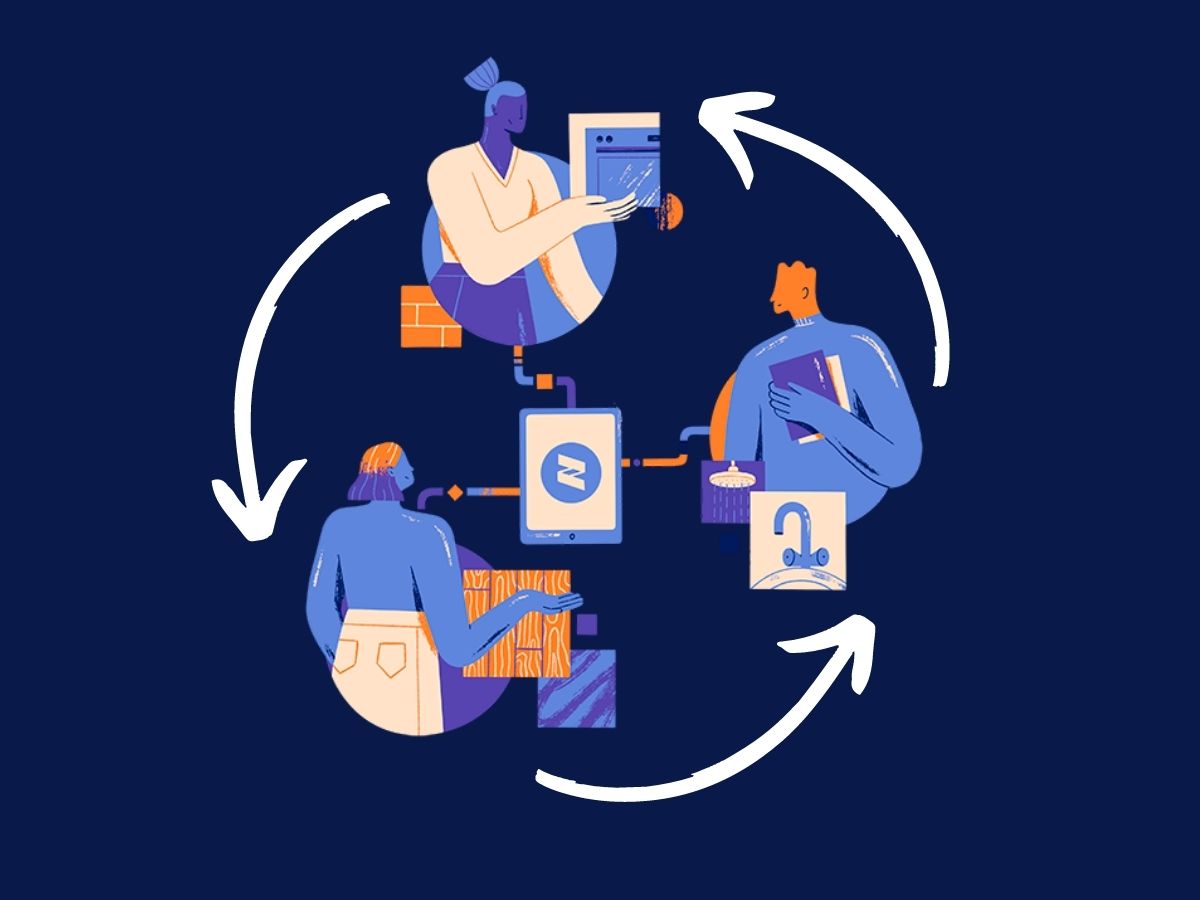

Construction projects involve countless parties — architects, contractors, suppliers — and homebuilders often get stuck as the exhausting middleman between homebuyers and these key players. This ping-pong role wastes time, increases error risks, and pulls your team away from core business activities. The solution: give all parties direct access to a shared portal where they can communicate without you as the intermediary.
A construction project requires a lot of people: architects, supervisors, kitchen builders, electricians. Keeping in touch with all these key players is no small feat.
As a homebuilder, your team is often the middleman. Your project manager or salespeople are the ones between homebuyers and suppliers or contractors, going back and forth with construction plans, explaining new changes to customers, clarifying their wishes to the floorer.
Let's be honest: it's exhausting, and who has the time to be the middleman? Besides the fact that being the ping-pong ball between the different parties is time-consuming, it's also risky. The chances of making a mistake are much higher when someone in the middle is responsible for getting the message from point A to B.
We all know how games of Chinese whispers end. You never end up with the same sentence you formed in the beginning. In the case of this game, the result is usually amusing. But when it comes to home construction, wrongly informing people could lead to discussions, delays, or painful financial situations.
There are so many documents and messages going back and forth during construction. What's more: last-minute changes to plans are common.
Homebuyers ask for an upgrade, or they want their sockets in different spots after all, an unexpected problem arises on the construction site. If you get your wires crossed and fail to communicate correctly, those sockets will be in the wrong place, and the problems on-site will not be dealt with appropriately. This communication chaos is exactly why efficient project management strategies have become so important for residential developers.

Being the middleman is difficult. It's not your main job to handle the communication between homebuyers and suppliers — yet, you have to do it anyway.
Or do you?
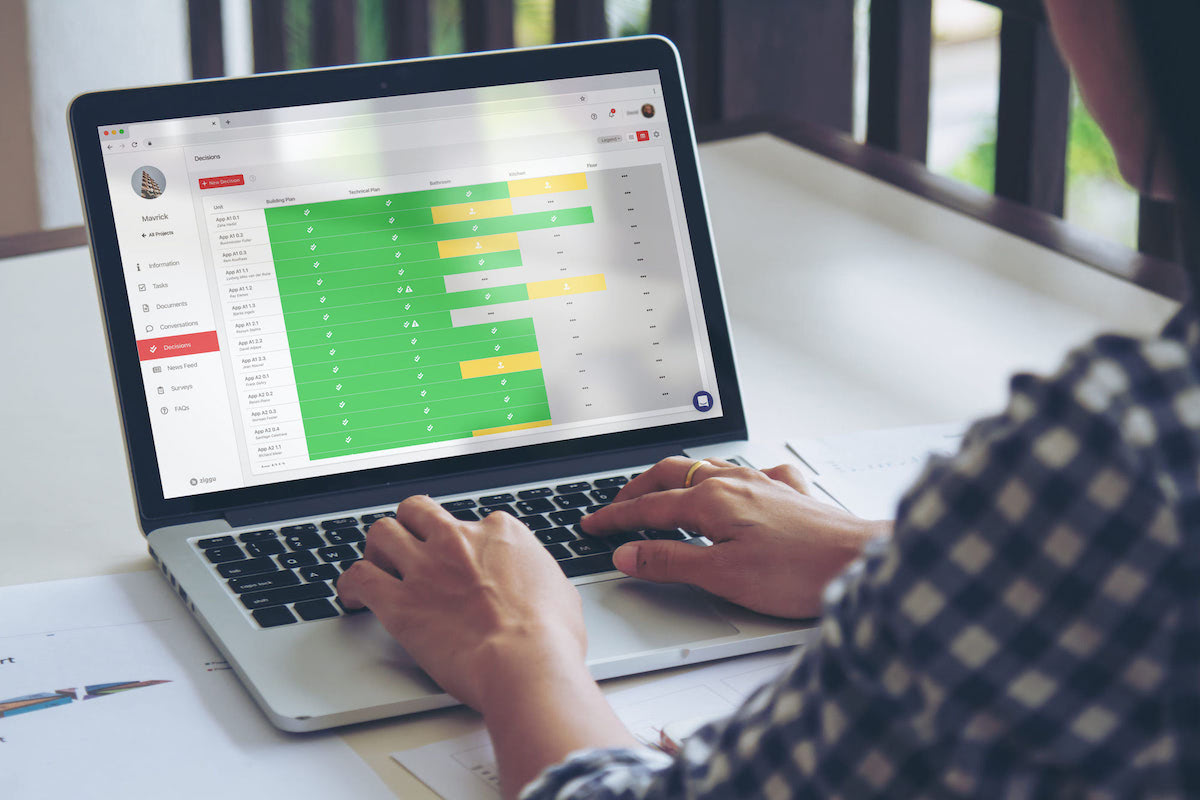
The customer managers at homebuilder ION, for example, are no longer the ping-pong ball between those two parties since they've implemented a homebuyer portal. Instead, they now give key players access to the same online environment when a new construction project takes off. This portal approach represents what experts are calling the new standard for customer interaction in the construction industry.
According to Ellen De Clercq, Head of Customer Care at ION, this makes it easier for everyone to follow up on the project and keep a clear overview of all the documents. But it's also a great way for homebuyers to get in touch with suppliers and vice-versa — without the help of ION's team.
'Our customers are happy to have one spot where they can contact suppliers or us, check offers and ask questions directly to the right person. So it's just easier for everyone.'
| Traditional Middleman | Portal Communication |
|---|---|
| Project manager fields all supplier questions | Suppliers communicate directly with homebuyers |
| Multiple phone calls and emails per issue | Single thread with all parties visible |
| Risk of miscommunication in relay | Original message preserved, no telephone game |
| Delayed responses waiting for middleman | Immediate answers from source |
Homebuyers don't have to wait for you to reach out to the supplier. Instead, they get the answer they need directly from the source.
Worried some suppliers' communication won't be up to your standards? No need to lose sleep over that because you are automatically included in the conversations between other parties. In other words: you can keep an eye on the back-and-forth, allowing you to jump in when needed.
The benefits of transparent communication extend far beyond convenience:
When you step back from the homebuyer supplier middleman role, your team can focus on what matters: building great homes and growing your business. Project managers spend less time on phone calls. Fewer mistakes happen in communication. Homebuyers get faster answers. This improved communication flow directly impacts customer experience quality, which has become a major differentiator for residential developers.
Everyone wins when the right people talk directly to each other — with you maintaining oversight and control. That's the power of removing yourself from the middle while staying connected to the process. Ziggu's platform enables this type of coordinated communication, allowing construction companies to maintain project visibility while eliminating communication bottlenecks.
Suppliers and homebuyers access the same portal where they can message each other directly about specific project details. You remain automatically included in all conversations, so you can monitor discussions and step in when needed.
Since you're automatically included in all conversations, you can monitor the quality of communication in real-time. This allows you to provide guidance to suppliers or step in if communication standards aren't being met.
No, you actually gain better oversight because all communications are documented in one place. You can see every conversation between parties while freeing up time previously spent relaying messages.
Project managers typically spend hours each week fielding questions and relaying information between parties. Direct communication can reduce this workload significantly, allowing them to focus on actual project management tasks.
All conversations are logged and timestamped in the portal, creating a clear record of what was discussed. This transparency actually reduces miscommunication compared to phone calls and separate email chains.
Yes, homebuyers appreciate getting immediate answers from the source than waiting for information to be relayed through multiple people. It gives them more control over their project experience.
Most portal systems can be introduced gradually, starting with new projects or specific types of communications. This allows your team and suppliers to adapt to the new process without overwhelming ongoing work.
Vincent is co-founder of Ziggu, the project management software for client work, where he leads sales and marketing. Ziggu gives project-based businesses - property developers, architects, creative agencies, manufacturers and more - one place to run long, milestone-driven projects with clients and partners in the loop: milestones, tasks, decisions and approvals, and project conversations in a single dossier, paired with a client portal. With a background in architecture, project management and SaaS, Vincent writes about client experience, project delivery, and the future of project-based collaboration.