Updated:
August 12, 2026
3 Key PropTech Symposium 2021 Insights for Real Estate Innovation
PropTech Symposium 2021 highlighted real estate's shift to experience-driven services, data analytics for customer insights, and rapid experimentation cycles.

PropTech Symposium 2021 highlighted real estate's shift to experience-driven services, data analytics for customer insights, and rapid experimentation cycles.
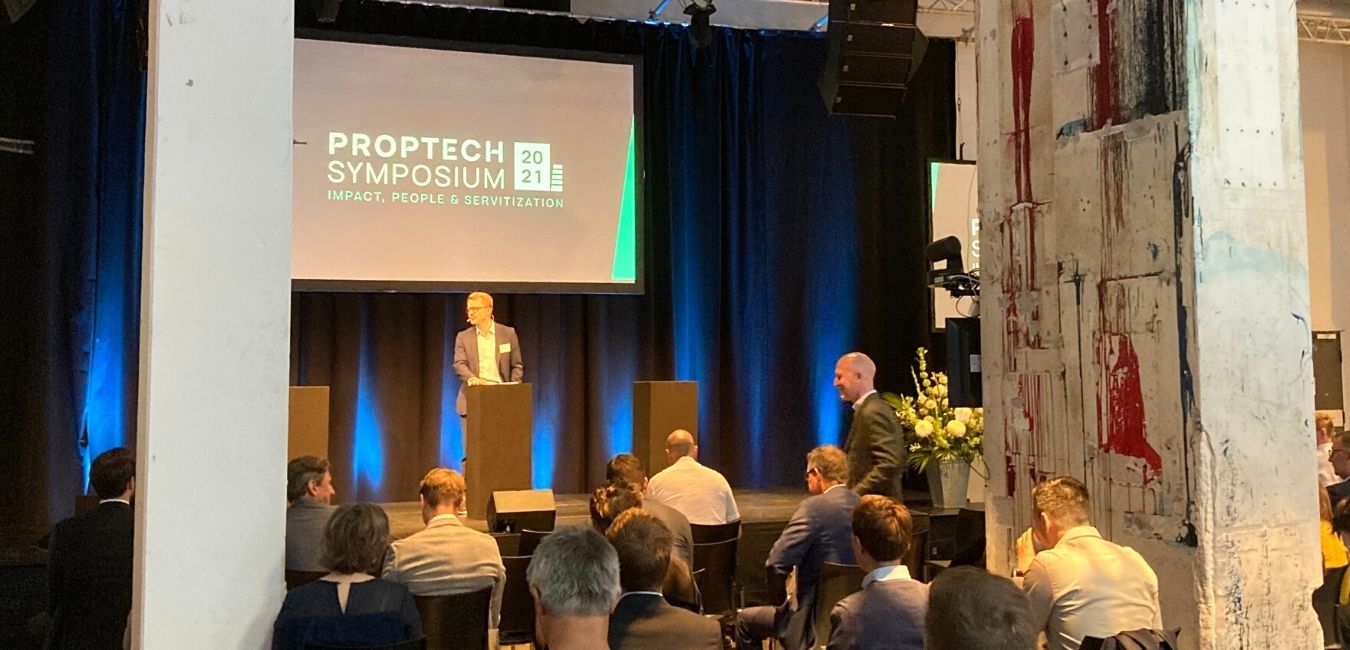

The traditional real estate model is dead. Anthony Slumbers from Real Innovation Academy delivered this reality check as the symposium's opening keynote speaker.
Remote work proved we don't need offices to function. Productivity happens anywhere. Collaboration can be digital. The question isn't whether businesses can survive without physical spaces—they already have.
The new challenge? Making people want to be in your space.
Commercial real estate must shift from a B2B transaction model to a B2B2C experience economy. Developers can no longer sell square footage. They must create destinations that fulfill dreams, enable goals, and spark innovation.
WeWork understood this principle perfectly. Regardless of their business challenges, they created spaces people actively desired to inhabit. They built a brand around possibility, not just productivity.
Modern office spaces need to offer more than desks and conference rooms. They require amenities, communities, and experiences that remote work cannot replicate. Think co-working meets lifestyle brand meets innovation hub.

This transformation demands putting end users first, not just lease signers. Every design decision, amenity choice, and service offering must consider the daily experience of people working in the space.
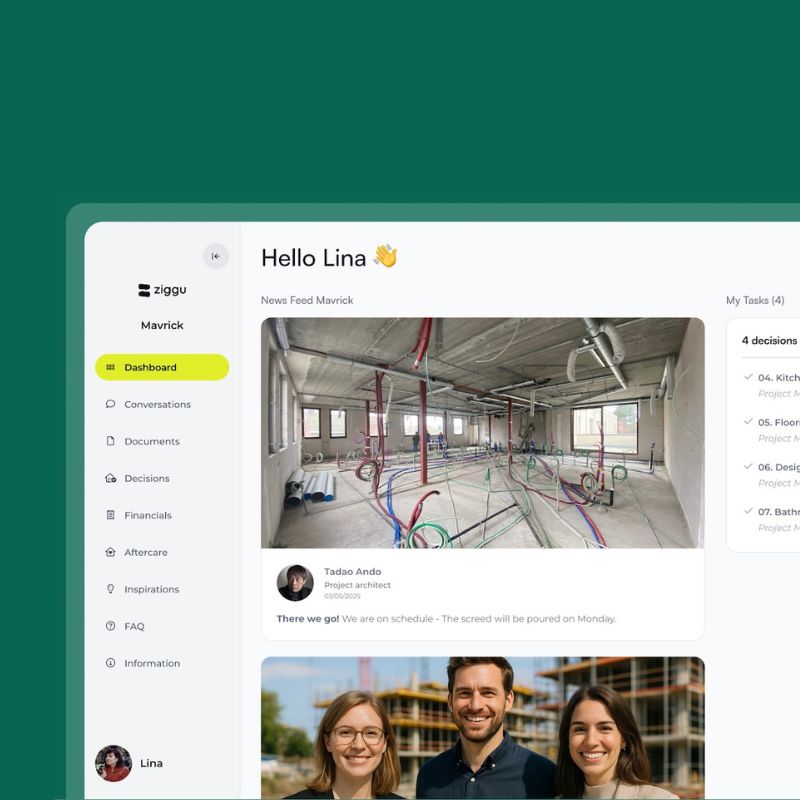
Property developers using client portals report stronger tenant relationships through transparent communication and streamlined service requests. Digital touchpoints become part of the overall experience strategy, as customer experience directly impacts developer success across all project phases.
Customer-centricity requires customer knowledge. The best real estate companies use data analytics to understand tenant behavior, preferences, and pain points.
Real estate generates massive data streams—occupancy patterns, energy usage, maintenance requests, tenant feedback, foot traffic, and space utilization metrics. Public datasets add demographic trends, economic indicators, and market comparisons.
The challenge isn't data collection. It's transformation into actionable insights.
Most property developers lack internal data science capabilities. Partnering with PropTech companies provides the analytical muscle to extract meaningful patterns from raw information.
These partnerships enable rapid testing and optimization. Install sensors to track space usage. Launch a new amenity. Measure adoption rates. Adjust based on results. Repeat.
Data-driven decisions replace gut instinct with evidence. Which common areas get most traffic? When do tenants submit maintenance requests? What amenities correlate with lease renewals?
| Traditional Approach | Data-Driven PropTech |
|---|---|
| Intuition-based decisions | Evidence-based strategy |
| Annual tenant surveys | Real-time feedback loops |
| Fixed amenity packages | Dynamic service optimization |
| Reactive maintenance | Predictive maintenance cycles |
Smart building systems collect environmental data to improve comfort and energy efficiency. Tenant portals track service request patterns to predict maintenance needs. Usage analytics inform space planning for future developments.
The most successful property companies treat data as a strategic asset, not just operational necessity.
PropTech companies operate on "build, measure, adapt" cycles. Traditional real estate stops at "build."
This fundamental difference explains why PropTech firms can iterate quickly while real estate projects often lock in decisions early and stick with them regardless of outcomes.
Ziggu exemplifies this experimental approach. Instead of debating options for weeks, we implement based on available facts and customer feedback, then review and adapt quickly. Real use cases replace theoretical assumptions.
Spacemaker's Havard Haukeland (now part of Autodesk) demonstrated how 3D analysis tools enable design experimentation before construction begins. Developers can test multiple configurations, analyze environmental impacts, and improve for both unit count and natural lighting.
Early experimentation prevents costly "oh shit" moments during construction. Testing design options digitally costs infinitely less than rebuilding physical structures.
Property developers can adopt experimental mindsets without abandoning project discipline. Use digital twins to test design variations. Pilot new amenities in small sections before full rollouts. A/B test marketing approaches for different buyer segments.
The goal isn't reckless change—it's informed adaptation based on real feedback and measurable results. For large-scale projects, structured project management strategies help maintain experimental flexibility while meeting delivery deadlines.
The symposium highlighted stark differences between conventional real estate practices and PropTech innovation strategies across three key areas.
Space Strategy: Traditional real estate sells location and square footage. PropTech companies design experiences and community connections that create ongoing value.
Decision Making: Conventional developers rely on historical precedent and market intuition. PropTech firms use real-time data analytics and customer feedback loops to guide strategy.
Development Process: Traditional projects follow linear planning with minimal iteration. PropTech approaches embrace continuous testing and rapid adaptation throughout development cycles.
These PropTech symposium insights translate into specific action steps for forward-thinking property developers.
Space-as-a-Service Implementation: Survey your current tenants about their workspace frustrations and desires. Design amenities around solving real problems, not perceived needs. Create community programming that brings tenants together naturally.
Data Analytics Integration: Start with one data source—tenant portal usage, energy consumption, or space utilization. Partner with PropTech companies that can transform raw metrics into business insights. Establish regular review cycles to act on findings.
Experimental Culture Development: Identify low-risk areas for testing new approaches. Create feedback mechanisms to gather tenant input quickly. Set up rapid decision-making processes that don't require lengthy approval chains.
The Danish PropTech Symposium revealed an industry in fundamental transition. Success requires embracing customer experience over pure functionality, leveraging data for competitive advantage, and adopting experimental approaches to development and management.
Property companies that implement these three strategies—experiential space design, data-driven decision making, and rapid experimentation—will thrive in the evolving real estate landscape. Those clinging to traditional approaches risk irrelevance.
The transformation isn't just technological—it's philosophical. From building spaces to crafting experiences. From intuitive decisions to data-informed strategies. From rigid planning to adaptive execution.
The PropTech revolution demands this evolution. The companies that embrace it will define the future of real estate. Modern customer expectations require digital-first communication platforms that provide transparency and direct access to project information.
Space-as-a-service transforms real estate from selling square footage to creating experiential destinations that people actively want to use. This model focuses on tenant experience, community building, and ongoing value creation than traditional lease transactions.
Data analytics transforms real estate operations by providing evidence-based insights into tenant behavior, space utilization, and maintenance patterns. This enables predictive maintenance, optimized amenity planning, and strategic decisions based on actual usage than assumptions.
Rapid experimentation allows developers to test and validate ideas before major investments, reducing costly mistakes and improving outcomes. This approach enables continuous improvement based on real feedback than locking in decisions early and hoping for success.
Traditional real estate relies on historical precedent and linear development processes, while PropTech embraces data-driven decisions and iterative improvement. PropTech companies focus on user experience and community building, whereas traditional approaches prioritize location and square footage.
Developers should begin with one data source like tenant portal usage or energy consumption, then partner with PropTech companies for analytics capabilities. Start with low-risk pilot programs and create feedback mechanisms to gather tenant input quickly.
Customer portals serve as digital touchpoints that enhance tenant relationships through transparent communication and streamlined service requests. They provide real-time data on tenant behavior and preferences while improving overall service delivery.
Early experimentation using digital tools like 3D analysis and design testing prevents costly changes during construction. Testing multiple configurations digitally costs significantly less than rebuilding physical structures and helps identify potential issues before they become expensive problems.
Vincent is co-founder of Ziggu, the project management software for client work, where he leads sales and marketing. Ziggu gives project-based businesses - property developers, architects, creative agencies, manufacturers and more - one place to run long, milestone-driven projects with clients and partners in the loop: milestones, tasks, decisions and approvals, and project conversations in a single dossier, paired with a client portal. With a background in architecture, project management and SaaS, Vincent writes about client experience, project delivery, and the future of project-based collaboration.