Peak-End Rule: Transform Property Development Customer Experience
Property developers can use the peak-end rule to create positive customer memories that overcome construction delays by focusing on intense moments and final experiences.
Follow us for more content
Property developers who master the peak-end rule create lasting positive memories that overshadow construction delays and issues. By focusing on the most intense moments and final experiences, you can transform anxious customers into brand ambassadors. Here's how psychology can revolutionize your customer relationships.
What is the Peak-End Rule?
Psychologist and Nobel Prize winner Daniel Kahneman first described the peak-end rule in 1999 along with researcher Tversky. They discovered that people judge an experience based on two key elements: (1) the best or worst moment, known as the peak and (2) the ending.
In other words, we are less inclined to judge an experience by the average of every moment. Both the most negative and most positive memories remain, while the duration of those moments doesn't play a part.
Think about your last visit to Disneyland. You remember the thrilling roller coasters and magical character encounters — not the hour-long queues in the rain.
Why Property Developers Need the Peak-End Rule
As a property developer you often engage in a long relationship with your customers. They always start out enthusiastic after signing the contract, but time and time again, you see that level drop over the course of construction.
The peak-end rule brings good news, because it teaches us that we should not give up hope. We can still make strong brand ambassadors, as long as we deliver greater peaks.
Our survey among 400 homebuyers showed their biggest pain: a lack of transparency. In addition, people quickly become nervous when it comes to the largest purchase of their lives.
Creating Positive Peaks During Construction
For example, a customer will remember that you have communicated quickly and about a delay. Or that you have called her within a few hours to take away her worries about an unclear invoice.
So the most important thing you can do is to quickly resolve concerns and keep your customers well informed about the progress on the site. Act proactively.
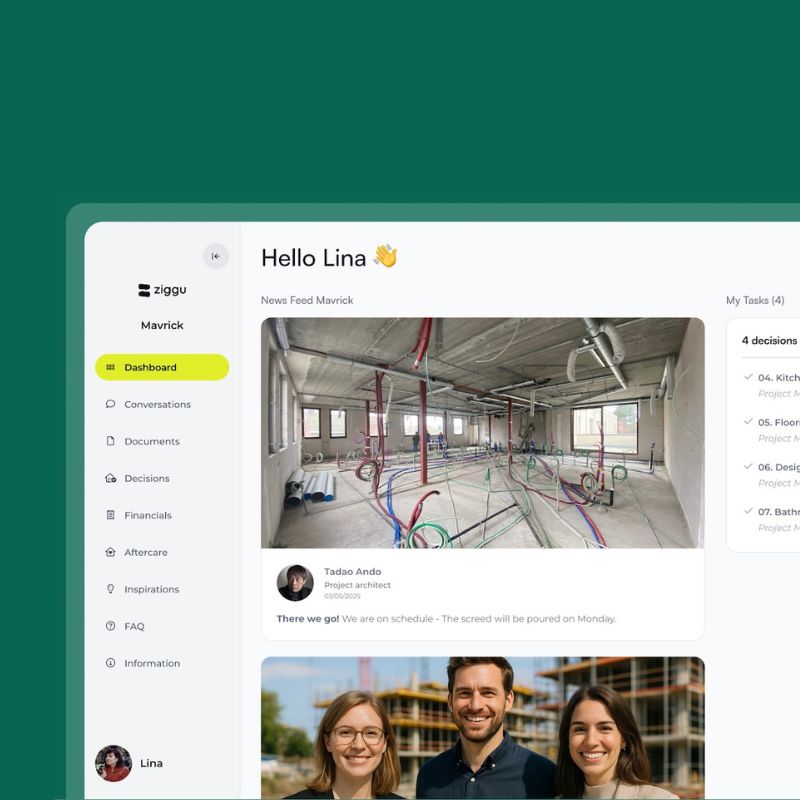
Modern property developers use digital client portals to create these positive peak moments. Real-time project updates, instant document access, and transparent communication channels turn potential stress points into trust-building opportunities. In fact, a customer portal is the new website for forward-thinking developers who prioritize client engagement.
"By involving and engaging our customers more, we positively impact their level of satisfaction. In return, those customers are reacting faster and making decisions more proactively"
Damien Janssens de Bisthoven Project Manager BESIX RED
Remember that creating peaks during the construction phase will offer you a buffer for the delivery phase. After all, this is another typical moment where satisfaction rates can take a hit.
The customer discovers various details in their new home that are not 100% in order or according to their expectations. At that time, the peaks from the past months help to temper the negative experience. You have built up a buffer of trust.
Peak-End Rule Implementation Framework
Here's a practical checklist for property developers:
During Sales Phase:
• Surprise prospects with detailed project visualizations
• Provide instant responses to inquiries
• Offer exclusive preview events
Construction Phase:
• Weekly progress photos with personal updates
• Proactive communication about any changes
• Virtual site visits and milestone celebrations
Pre-Delivery:
• Personal walkthrough videos
• Early access to community amenities
• Comprehensive digital handover packages
Traditional Approach
Peak-End Optimized Approach
Monthly email updates
Real-time progress notifications
Phone calls when problems arise
Proactive communication with solutions
Basic key handover
Memorable welcome experience with gifts
Paper-based documentation
Digital portal with instant access
Reactive customer service
Predictive issue resolution
Finish with a Bang: The Final Peak
It's important to close the sale with a final peak. If this isn't possible when handing over the keys, consider which added value you can offer afterwards.
Let's take IKEA as an example. Passing by the register can hardly be described as a high point in the customer journey. Yet, a few steps further, they manage to make your jaw drop. One last time they reassure you: "We are the cheapest", while customers are stuffing their stomachs with 70 cent hotdogs.
Many developers already offer a nice bottle of champagne at the end. Others even dare to go a step further… Project developer Fenixco, for example, organises a BBQ for its customers upon delivery of the project.
You can be creative and it doesn't have to cost much, but make it personal. Just think of a gift voucher for a local interior design store or … IKEA.
Modern Ending Strategies
Today's property developers are getting more creative with their final peaks:
Digital Memory Books: Custom photo albums documenting the entire construction journey, from groundbreaking to key handover.
Smart Home Setup Services: Personal tech consultations to help new homeowners maximize their property's features.
Community Introduction Programs: Exclusive neighborhood welcome events connecting new residents with local businesses and services.
Technology Integration and Performance Measurement
Modern PropTech solutions make it easier than ever to create positive peaks throughout the customer journey. Digital client portals provide transparency that transforms anxiety into excitement. When implementing efficient large scale project management strategies, these technology solutions become the backbone of exceptional customer experiences.
Features like real-time notifications, document sharing, and milestone tracking turn routine communications into memorable touchpoints. When customers can access project updates anytime, they feel more connected and informed. The key is consistency — every interaction should reinforce your commitment to transparency and customer care.
To measure your peak-end rule implementation success, track these essential metrics:
Response Time: How quickly do you address customer concerns?
Referral Rate: Happy customers become your best sales team
Repeat Business: The ultimate measure of customer satisfaction
Net Promoter Score: Direct feedback on likelihood to recommend
Remember, the peak-end rule isn't about perfection — it's about creating memorable moments that overshadow inevitable challenges. Property development will always have its ups and downs, but you control how customers remember the journey.
Start implementing peak-end strategies today. Focus on your communication touchpoints, invest in transparency tools, and plan meaningful ending experiences. Your future brand ambassadors are waiting.
Frequently Asked Questions
What is the peak-end rule in property development?
The peak-end rule states that customers judge their entire property buying experience based on the most intense moment (peak) and the final interaction (end). This means developers can create positive memories even when construction challenges occur by focusing on these two critical touchpoints.
How can developers create positive peaks during construction?
Create positive peaks through proactive communication, quick problem resolution, and transparent progress updates. Use digital portals for real-time updates, send weekly progress photos, and address concerns within hours than days.
What makes a memorable final peak experience?
Memorable endings go beyond basic key handovers to include personalized gifts, community welcome events, or digital memory books. The key is making it personal and unexpected, such as smart home setup services or neighborhood introduction programs.
How do digital client portals enhance the peak-end experience?
Digital portals transform potential stress points into trust-building opportunities by providing instant document access, real-time notifications, and transparent communication channels. They turn routine updates into memorable touchpoints that customers value.
What metrics should developers track to measure peak-end success?
Track response time to customer concerns, referral rates, online review scores, repeat business, and Net Promoter Score. These metrics directly reflect how well your peak-end strategies are creating satisfied customers who become brand ambassadors.
Can the peak-end rule help with construction delays?
Yes, by creating positive peaks throughout the construction journey, you build a buffer of trust that helps customers better tolerate delays. The positive memories from excellent communication and proactive service outweigh temporary frustrations with timing issues.
What's the difference between traditional and peak-end optimized customer service?
Traditional approaches rely on monthly updates and reactive problem-solving, while peak-end optimization uses real-time communication, proactive issue resolution, and memorable experiences. The focus shifts from basic service delivery to creating emotional connections through exceptional moments.
Written by Vincent Van Impe
Vincent is co-founder of Ziggu, the project management software for client work, where he leads sales and marketing. Ziggu gives project-based businesses - property developers, architects, creative agencies, manufacturers and more - one place to run long, milestone-driven projects with clients and partners in the loop: milestones, tasks, decisions and approvals, and project conversations in a single dossier, paired with a client portal. With a background in architecture, project management and SaaS, Vincent writes about client experience, project delivery, and the future of project-based collaboration.