Updated:
August 12, 2026
Customer Portals: The New Construction Standard
Customer portals are becoming the construction industry standard, boosting client satisfaction by 20%+ through digital transparency that replaces outdated email communication.

Customer portals are becoming the construction industry standard, boosting client satisfaction by 20%+ through digital transparency that replaces outdated email communication.

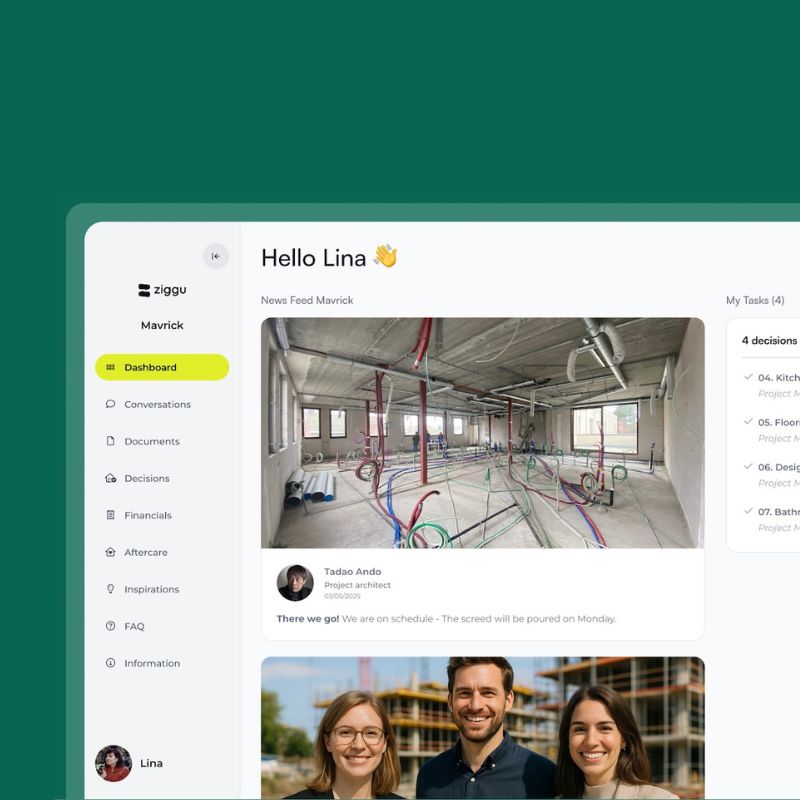
Customer portals are rapidly becoming the new industry standard in construction, with companies seeing at least a 20% increase in client satisfaction after implementation. These digital platforms transform the traditional email-based client experience into something that matches modern expectations for transparency and control. Just as websites evolved from luxury to necessity, customer portals in construction are following the same trajectory.
A customer portal is a centralized digital platform where construction clients can access all project details, updated in real-time. It serves as a direct engagement channel with the construction process.
Think of it as the construction equivalent of tracking your Uber Eats order. When we order food through these apps, we don't just place the order and wait blindly.
We receive live updates at every step—when the restaurant starts preparing the food, when the driver is on their way, and when the meal arrives at our door. When it comes to buying, building, or renovating a home, the stakes—and the expectations—are even higher.

The challenge for building companies has always been meeting modern customer expectations through traditional email. Email creates information silos, delays responses, and offers no real-time visibility into project progress.
| Traditional Email/Manual Processes | Digital Customer Portals |
|---|---|
| Information scattered across multiple email threads | Centralized project information in one location |
| Delayed responses and follow-ups required | Real-time updates and instant notifications |
| No visibility into project progress | Live project tracking and milestone updates |
| Document versions lost or outdated | Current documents always accessible |
Customer portals in construction solve these fundamental communication problems. Clients can track their project's progress, receive timely updates, and feel involved in the process, reinforcing trust at every stage. This transparency addresses the core issues that make customer experience crucial for residential developers, who need to maintain strong relationships throughout lengthy construction timelines.
The question many construction companies ask is: Why invest in a customer portal when clients are likely to build only once?
The answer lies in word of mouth and online research. Today's consumers rely heavily on the experiences of others when making purchasing decisions.
As HubSpot found, over 92% of people trust recommendations from friends and family above all other advertising. A positive experience leads to glowing reviews and referrals, which are invaluable in an industry where trust is paramount.
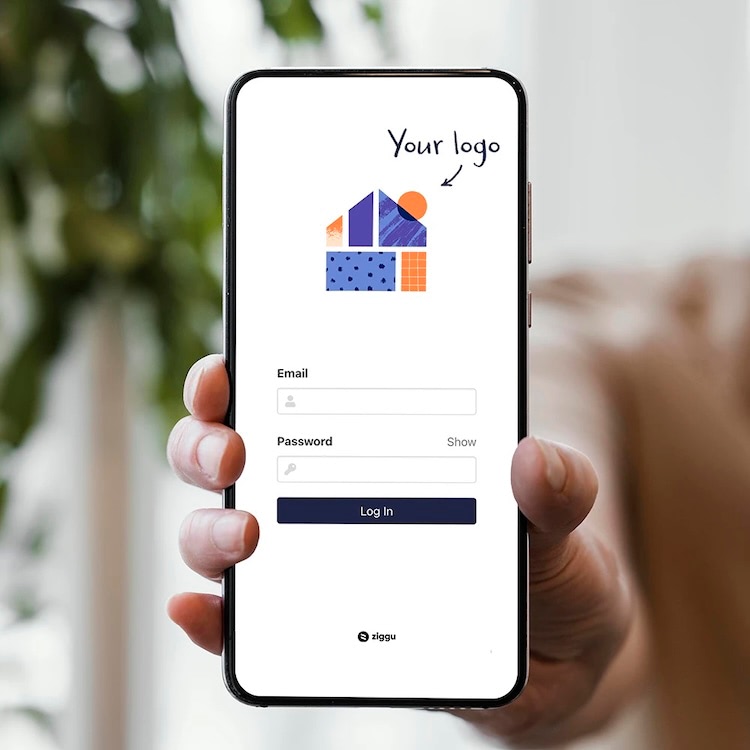
Many companies now use their customer portals as a sales tool, showcasing the platform to reassure potential clients. It demonstrates that clients will remain informed, have control over their budget, and receive a personalized experience.
This transparency often tips the scales for hesitant buyers, making the portal not just an operational tool, but a key part of the sales strategy. As we've explored, a customer portal is the new website for construction companies looking to differentiate themselves in competitive markets.
In our experience working with construction companies, satisfied portal users become active advocates. They show the platform to friends considering similar projects, doing the sales work for contractors.
One homeowner told us: "I could check everything anytime I wanted. When my neighbor started his renovation, I showed him exactly how transparent my builder was through their portal."
Beyond customer satisfaction, the efficiency gains are significant. A customer advisor at DCA Bouw in Belgium notes that she can now manage twice as many projects with the help of her company's portal.
"A customer advisor at DCA Bouw in Belgium notes that she can now manage twice as many projects"
She's by no means an exception. This kind of operational improvement allows companies to handle large-scale projects more efficiently, reducing costs and enabling businesses to take on more work without increasing staff, directly impacting the bottom line.
The efficiency boost also impacts employee satisfaction and retention. Portals reduce cumbersome administrative tasks, allowing staff to focus on their core responsibilities than chasing down project updates or answering repetitive client questions.
Today, a company website is no longer a competitive edge—it's a basic necessity. Just as brands must now appear at the top of search results to remain relevant, customer portals are following the same trajectory in construction.
The companies that recognize this shift early will establish themselves as industry leaders. Those who wait risk being seen as outdated by increasingly digital-savvy customers.
As customer expectations continue to rise, the construction industry must evolve. Customers today expect transparency, control, and a seamless digital experience in every aspect of their lives—including major construction projects.
The trend toward construction customer portals isn't slowing down. As digital natives become the primary homebuying demographic, the expectation for real-time project visibility will only intensify.
Construction companies that implement portals now position themselves ahead of this curve, building the infrastructure and expertise needed to serve tomorrow's clients today.
Customer portals represent more than just keeping clients happy—they're about securing future business and driving profitability. The combination of increased client satisfaction, operational efficiency, and sales support makes them essential business tools.
Companies that adopt customer portal technology will lead the way in an increasingly competitive market. They're not just meeting current expectations; they're setting the standard for what construction client experience should be.
The question isn't whether customer portals will become standard in construction—it's how quickly companies will adapt to this new reality.
A customer portal is a centralized digital platform where construction clients can access all their project information in real-time. It functions like tracking an Uber Eats order, providing live updates on project progress, milestones, and important communications.
Portals reduce phone calls and emails by allowing clients to find information themselves. They also automate project updates and centralize document management, enabling staff to manage twice as many projects without increasing headcount.
Even one-time clients generate valuable word-of-mouth referrals. Over 92% of people trust recommendations from friends and family, making satisfied portal users powerful advocates who can drive future business through positive reviews and referrals.
Many companies showcase their portal during sales presentations to demonstrate transparency and professionalism. This reassures potential clients that they'll stay informed throughout the project and often tips the scales for hesitant buyers.
Email creates information scattered across multiple threads with delayed responses and no real-time visibility. Portals provide centralized information, instant updates, and live project tracking all in one accessible location.
While not legally required, customer portals are rapidly becoming an industry standard due to rising customer expectations. Companies without portals risk appearing outdated compared to competitors who offer this modern transparency.
Companies typically see at least a 20% increase in client satisfaction after implementing customer portals. The transparency and control they provide meet modern customer expectations for digital experiences.
Vincent is co-founder of Ziggu, the project management software for client work, where he leads sales and marketing. Ziggu gives project-based businesses - property developers, architects, creative agencies, manufacturers and more - one place to run long, milestone-driven projects with clients and partners in the loop: milestones, tasks, decisions and approvals, and project conversations in a single dossier, paired with a client portal. With a background in architecture, project management and SaaS, Vincent writes about client experience, project delivery, and the future of project-based collaboration.