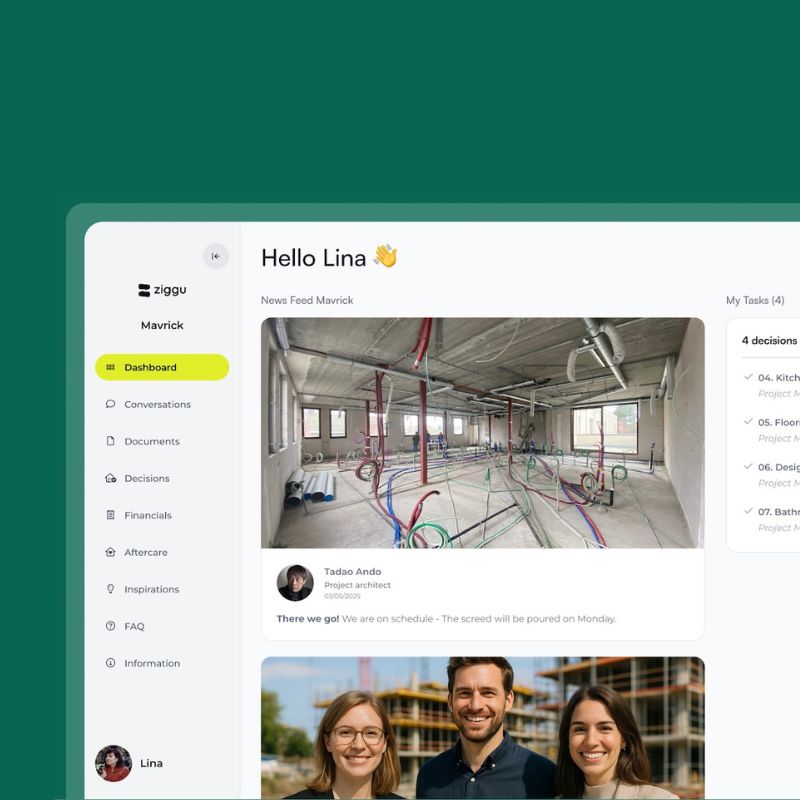
Email overload destroys productivity and buries critical project information in endless threads. A centralized communication hub consolidates conversations, documents, and updates into one platform, saving hours each week and eliminating information silos. Companies switching from email chaos to unified communication systems see dramatic improvements in project continuity and team efficiency.
What Is a Centralized Communication Hub and Why Email Overload Kills Project Efficiency
A centralized communication hub is a unified platform that brings together all project conversations, documents, task management, and stakeholder interactions in one accessible location. Unlike email, which scatters information across individual inboxes, a centralized hub creates a single source of truth for project teams.
This approach replaces the fragmented communication model where critical updates get lost in email threads. Instead, every team member—from internal staff to external contractors and clients—accesses the same real-time information through dedicated project spaces.
Email was designed for quick exchanges, not complex project management. As projects scale and teams grow, email-based communication creates systematic problems:
- Scattered Information – Critical messages disappear in long threads, making it impossible to retrieve key details when decisions need to be made
- Time Wastage – Teams spend hours searching through inboxes, following up on messages, and reconstructing project timelines from fragmented emails
- Version Control Chaos – Multiple document versions circulate through attachments, creating confusion about which file contains the latest changes
- Decision Delays – Important approvals get stuck in overflowing inboxes, slowing project momentum and frustrating stakeholders
- Knowledge Silos – When team members leave or transition roles, their email history becomes inaccessible, breaking project continuity
These issues compound as project complexity increases. What starts as manageable communication becomes an organizational nightmare that affects overall project outcomes and customer experience in residential development.
How Centralized Communication Hubs Transform Project Management
Moving from email chaos to a centralized communication hub creates immediate operational improvements. Here's how unified platforms solve email's fundamental weaknesses:
Single Source of Project Truth
Every conversation, document, and update lives in one location. Team members find what they need instantly instead of digging through email folders. Client portals extend this access to external stakeholders, ensuring everyone works with current information.
Context-Rich Communication
Discussions happen within specific project contexts than generic email threads. Tagged comments, threaded conversations, and automated notifications keep teams aligned without information overload.
Integrated Task and Document Management
Task assignments, deadlines, and file sharing integrate smoothly with communication. Teams see who's responsible for what, when deliverables are due, and where to find the latest project materials—all without switching platforms.
Persistent Project Knowledge
Unlike email, centralized hubs preserve project history beyond individual team members. When someone leaves or takes vacation, their knowledge remains accessible to authorized team members, preventing project disruptions.
Email vs Centralized Communication: A Direct Comparison
The difference between email-based and centralized communication becomes clear when examining key project management areas. While email creates fragmented workflows, centralized platforms provide structured collaboration that scales with project complexity.
| Feature |
Email |
Centralized Hub |
| Information Access |
Scattered across individual inboxes |
Centralized, searchable, always available |
| Document Management |
Multiple versions in attachments |
Single source with version control |
| Team Continuity |
Knowledge lost when people leave |
Persistent project history |
| External Collaboration |
Limited client visibility |
Real-time stakeholder access |
This comparison highlights why managing large-scale projects efficiently requires moving beyond email-based communication to structured, accessible platforms.
Real-World Impact: How Ziggu Eliminated Email Chaos for a Major Developer
One of Ziggu's clients faced a communication crisis that many property developers know too well. This large real estate developer managed multiple residential projects simultaneously, coordinating with architects, contractors, and homebuyers through thousands of weekly emails.
The problems were crushing their efficiency:
- Critical project updates disappeared in email threads
- Homebuyers complained about slow responses and lack of transparency
- Internal teams wasted hours searching for information
- Version control issues caused construction delays
After implementing Ziggu's centralized client portal, the transformation was immediate. Contractors accessed current project plans without email requests. Architects collaborated on design changes through dedicated project spaces. Homebuyers gained real-time visibility into construction progress.
The results were measurable: the company reduced internal email volume by over 60% and significantly improved customer satisfaction ratings. This demonstrates how customer portals are becoming the new standard for professional project communication.
The Business Case for Centralized Communication
The productivity gains from eliminating email overload extend beyond time savings. Centralized communication hubs create competitive advantages:
Faster Decision Making – When information is accessible and organized, teams make decisions quickly instead of waiting for email responses or hunting through message threads.
Better Client Relationships – External stakeholders appreciate transparency and responsiveness. Client portals provide the visibility that builds trust and reduces support requests.
Reduced Risk – Centralized documentation creates audit trails and reduces the chance of missed communications or lost information that could impact project outcomes.
Scalable Growth – Unlike email, which becomes more chaotic as teams grow, centralized hubs maintain organization regardless of project complexity or team size.
Implementing Your Centralized Communication Strategy
Moving from email chaos to organized communication requires a strategic approach. Start by identifying your biggest pain points: Are documents lost in attachments? Do clients struggle to get project updates? Are team members spending too much time searching for information?
Choose a platform that integrates with your existing tools and provides the specific features your industry requires. For property developers, architects, and project-based businesses, client portals offer the external collaboration capabilities that pure internal tools can't match.
Plan the transition carefully. Migrate active projects gradually and train team members on new workflows. The goal isn't to eliminate email entirely—it's to use the right tool for each type of communication.
Beyond Email: The Future of Project Communication
Email overload isn't just an inconvenience—it's a systemic productivity drain that gets worse as businesses grow. Companies that continue relying on email for project management will find themselves at a competitive disadvantage as communication complexity increases.
Centralized communication hubs represent the evolution from scattered, siloed information to organized, accessible project knowledge. By consolidating conversations, documents, and stakeholder interactions into unified platforms, businesses save time, reduce frustration, and improve project outcomes.
The question isn't whether to move beyond email-centric project communication—it's when and how to make the transition. Teams that embrace centralized communication now will find themselves better equipped to handle the complex, multi-stakeholder projects that define modern business success.
Frequently Asked Questions
What makes a centralized communication hub different from email?
A centralized hub organizes all project conversations, documents, and updates in one accessible location, while email scatters information across individual inboxes. This creates a single source of truth that all team members can access, eliminating the time wasted searching through email threads for critical information.
How long does it take to see results after switching from email to a centralized platform?
Most companies see immediate improvements in information accessibility and team coordination. Within weeks, teams typically report significant reductions in time spent searching for documents and following up on missed communications. Full productivity gains emerge as teams adapt to the new workflows.
Can external stakeholders like clients and contractors use centralized communication hubs?
Yes, modern centralized platforms include client portals that give external stakeholders controlled access to relevant project information. This eliminates the need for constant email updates while maintaining professional boundaries and security.
What happens to project history when team members leave the company?
Unlike email, where departing employees take their inbox knowledge with them, centralized hubs preserve all project communications and documents. This ensures continuity and prevents knowledge loss when staff transitions occur.
Is it possible to completely eliminate email from project management?
While centralized hubs dramatically reduce email volume, complete elimination isn't necessary or practical. The goal is using email for appropriate communications while moving project-critical discussions, document sharing, and stakeholder updates to organized platforms.
How do centralized hubs handle document version control?
Centralized platforms maintain single-source documents with automatic version tracking, unlike email attachments that create multiple copies. Teams always work with the latest version, and administrators can track changes and revert to previous versions when needed.
What types of businesses benefit most from centralized communication hubs?
Project-based businesses with multiple stakeholders see the greatest benefits, particularly construction companies, real estate developers, architects, and consultancies. Any organization managing complex projects with external clients or contractors will experience significant productivity improvements.