Updated:
August 12, 2026
Ziggus Real Estate Survey Key Results
Property developers face a severe trust crisis with buyers scoring -42 NPS, but digital client portals boost satisfaction by 34% through transparent project tracking.

Property developers face a severe trust crisis with buyers scoring -42 NPS, but digital client portals boost satisfaction by 34% through transparent project tracking.
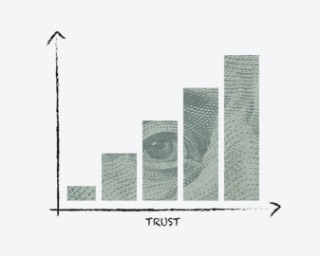

Property developers face a massive trust crisis with buyers, earning a devastating Net Promoter Score of -42. While 81% of homebuyers lack digital project tracking, those with access to professional client portals report 34% higher satisfaction—transforming the post-sale "black hole" into transparent communication.
Buying a home represents the largest financial commitment most people make. Yet it's often the least transparent transaction they'll experience. Our latest real estate survey key results expose a fractured relationship between homebuyers and developers that goes beyond construction quality issues.
The Real Estate Trust Barometer by WES Research found that 42% of buyers report little to no trust in the sector. To understand what drives these numbers, Ziggu surveyed 400 homebuyers across newly built neighborhoods. The central finding: property developers scored a Net Promoter Score of -42. While this research began in 2018, current industry benchmarks continue to show why customer experience matters for residential developers more than ever in today's competitive market.

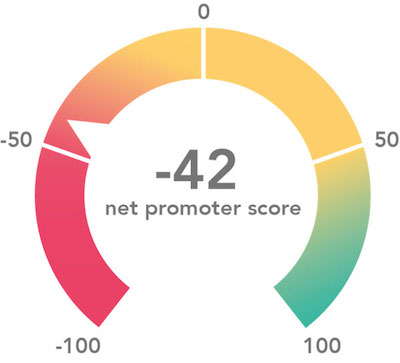
This negative score isn't about build quality. It's about the communication vacuum that follows contract signing. Developers are passionate professionals. But the lack of structured feedback loops turns potential advocates into detractors. This isn't just a PR problem—it's a massive missed opportunity for referrals and represents the industry's greatest challenge in customer relationship management.
The buyer journey starts with intensity and personal attention. Our data shows the average buyer requires three appointments and 4.2 weeks before closing. During this phase, developers are active, responsive, and deeply engaged with prospects. Sales teams provide detailed presentations, answer technical questions, and maintain regular contact throughout the decision-making process.

Then the "black hole" happens. Once the sale finalizes, interaction levels crash. Buyers move from daily touchpoints to months of silence. This dramatic drop-off drives anxiety and distrust among homeowners who suddenly feel abandoned despite having made their largest financial commitment. Construction teams manage projects internally, but they forget they're managing people's life savings and emotional investment.
This communication gap creates a fundamental disconnect between developer capabilities and buyer expectations. Teams continue working professionally behind the scenes, but the absence of visible progress updates transforms confident buyers into worried customers. Many developers become unwitting bottlenecks in their own projects, struggling to manage large scale projects efficiently while maintaining buyer confidence. Bridging this gap requires moving from transactional sales approaches to continuous service relationships that maintain engagement throughout the entire construction timeline.
Modern consumers can track a €10 delivery in real-time with detailed GPS updates and estimated arrival times. Yet for a €400,000 home purchase, 81% of buyers have no digital progress tracking whatsoever. This massive disconnect creates the "Chaos-to-Calm" opportunity for forward-thinking developers who embrace digital transparency tools.
| Metric | Developers Without Portals | Developers With Client Portal |
|---|---|---|
| Client Satisfaction | Baseline | +34% Increase |
| Progress Transparency | Low (Phone/Email only) | High (24/7 Digital Tracking) |
| Buyer Confidence | Distrustful (NPS -42) | Significantly Higher |
| Information Access | Low (Manuals lost) | High (Centralized documents) |

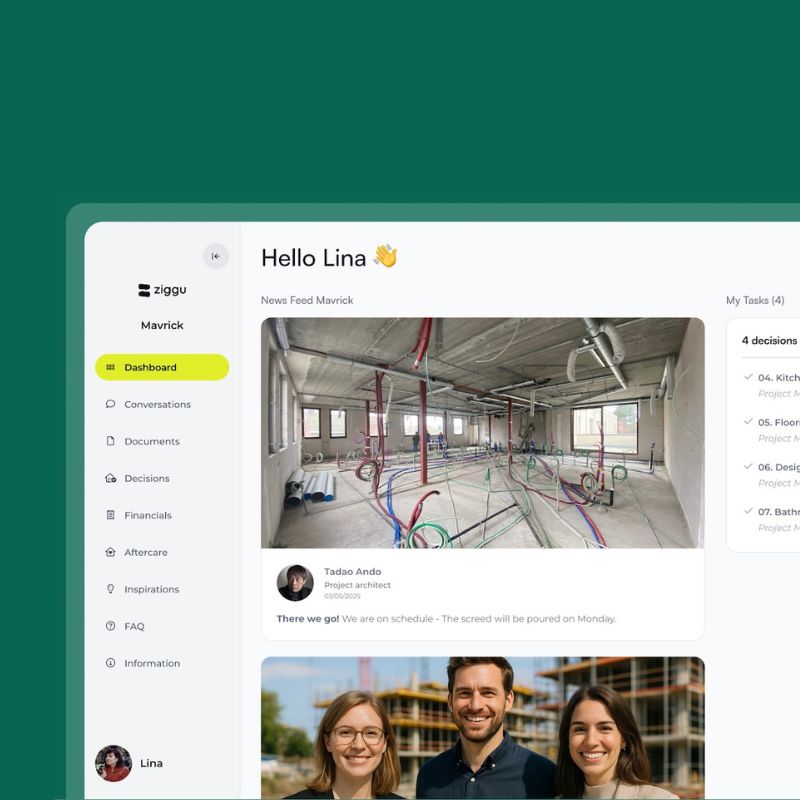
Information gain drives customer confidence directly. Our survey found that among the 19% who had portal access, satisfaction increased by 34%. For those without access, 80% stated they saw value in having one. This isn't a "nice-to-have" feature—it's about providing a single source of truth that prevents disputes and reduces administrative load on developer teams. For many developers, a customer portal is becoming the new website for maintaining ongoing client relationships.


Quality matters though. Buyers mentioned that some existing platforms focused on marketing fluff than technical documents and progress photos they actually needed. One inbox. One truth. That's what moves the needle on NPS.
Construction doesn't end at handover, especially with modern smart home integration requirements. Our real estate survey key results revealed a massive struggle with "Smart Home" complexity that traditional paper-based support systems cannot handle. As homes integrate more IoT hardware and sophisticated climate control systems, buyers lose the battle with paper manuals and forgotten verbal instructions from handover meetings.

Every home is a prototype in today's market. In Belgium and throughout Europe, design flexibility means every project is unique—and therefore error-prone. Customization options multiply potential failure points, from HVAC programming to security system configuration. Modern homebuyers expect smart thermostats, integrated security systems, and automated lighting controls, but these systems require ongoing technical support that goes beyond traditional construction knowledge.
The after-care phase creates substantial operational challenges for developers. Paper documentation gets lost, verbal instructions from handover meetings get forgotten, and buyers struggle with increasingly complex home automation systems. Traditional support methods—phone calls and email threads—become unmanageable when dealing with multiple buyers, each with unique technical questions about their customized smart home setup.

Buyers will contact developers after completion for snags and maintenance issues, but developers currently drown in these requests because they lack the right toolset to track suppliers, architects, and contractor responses. Digital portals transform this chaos into organized accountability. The portal becomes the permanent home for warranties, manuals, and technical specifications. Buyers access everything they need without calling your office, while developers maintain organized records of all maintenance requests and resolutions for future reference and warranty management.
By moving after-care into a centralized portal system, developers can manage 50% more projects without adding staff members. This capacity increase comes from reduced administrative overhead, faster issue resolution, and better communication between all parties involved in post-construction support.
These results stem from a comprehensive survey of 400 homebuyers in newly constructed Flemish residential projects. While baseline data originated from 2018, the trends align with current industry benchmarks showing customer experience as the primary differentiator in real estate development success. The research methodology included direct interviews with homebuyers 6-18 months post-purchase, NPS scoring across multiple touchpoints, comparison analysis between portal users and non-users, and after-care communication pattern tracking.
The survey methodology focused on understanding buyer sentiment at critical moments: contract signing, construction milestones, handover, and six months post-move-in. This timeline captured both immediate reactions to communication gaps and longer-term satisfaction with developer support. Response rates exceeded 85% across all demographic segments, indicating widespread concern about the current state of developer-buyer relationships.
"The complexity of managing hundreds of customers, architects, and contractors is prone to human error. Developers aren't failing because of effort—they're failing because of their toolset." — Ziggu Leadership
Ziggu currently serves over 2000+ companies with a market-leading NPS of 68. Our platform helps teams increase project capacity by 50% through better communication—transforming the stress of homebuying into a calm, professional experience. The real estate survey key results paint a clear picture: the industry's trust crisis stems from communication breakdowns, not quality issues. Developers who embrace digital transparency see immediate improvements in customer satisfaction.
The -42 NPS score primarily stems from communication breakdowns after contract signing, not construction quality issues. Buyers experience a dramatic shift from high-touch sales engagement to months of silence during construction, creating anxiety and distrust.
Our research shows that buyers with access to digital portals report 34% higher satisfaction compared to those without. These platforms provide real-time project updates and centralized document access, addressing the transparency gap that drives buyer frustration.
Only 19% of homebuyers have access to digital progress tracking portals, while 81% rely solely on phone calls or emails for project updates. This represents a massive opportunity for developers to differentiate through transparency.
Modern homes integrate complex IoT devices, automated systems, and sophisticated controls that require ongoing technical support. Traditional paper manuals and verbal instructions cannot adequately support buyers managing these advanced technologies.
Yes, centralized portal systems allow developers to manage 50% more projects without adding staff. By providing buyers with 24/7 access to information and progress updates, portals reduce phone calls and administrative overhead significantly.
Buyers prioritize technical documents, progress photos, and construction timelines over marketing content. They want a single source of truth for warranty information, manuals, and project updates that remains accessible after handover.
Poor post-sale communication turns potential advocates into detractors, significantly reducing referral opportunities. The industry misses substantial word-of-mouth marketing because satisfied customers become frustrated by communication blackouts during construction.
The solution isn't complex technology. It's about treating homebuyers as partners in the construction journey than transactions to be managed. Stop leaving your buyers in the dark. Contact us at info@ziggu.io to see how we can flip your customer experience from chaos to calm.
Vincent is co-founder of Ziggu, the project management software for client work, where he leads sales and marketing. Ziggu gives project-based businesses - property developers, architects, creative agencies, manufacturers and more - one place to run long, milestone-driven projects with clients and partners in the loop: milestones, tasks, decisions and approvals, and project conversations in a single dossier, paired with a client portal. With a background in architecture, project management and SaaS, Vincent writes about client experience, project delivery, and the future of project-based collaboration.