Human-First Approach: Customer Centricity at Ziggu
Ziggu's PropTech platform succeeds by prioritizing human experience over technology, using feedback-driven development and personal touches to prove people matter most in digital transformation.
Follow us for more content
Ziggu's extreme customer centricity puts human experience before technology, proving that even the most advanced PropTech platforms succeed by prioritizing people over processes. Through feedback-driven development, personal touches, and transparent communication, Ziggu demonstrates why the human element remains crucial in digital shift.
Understanding Extreme Customer Centricity in PropTech
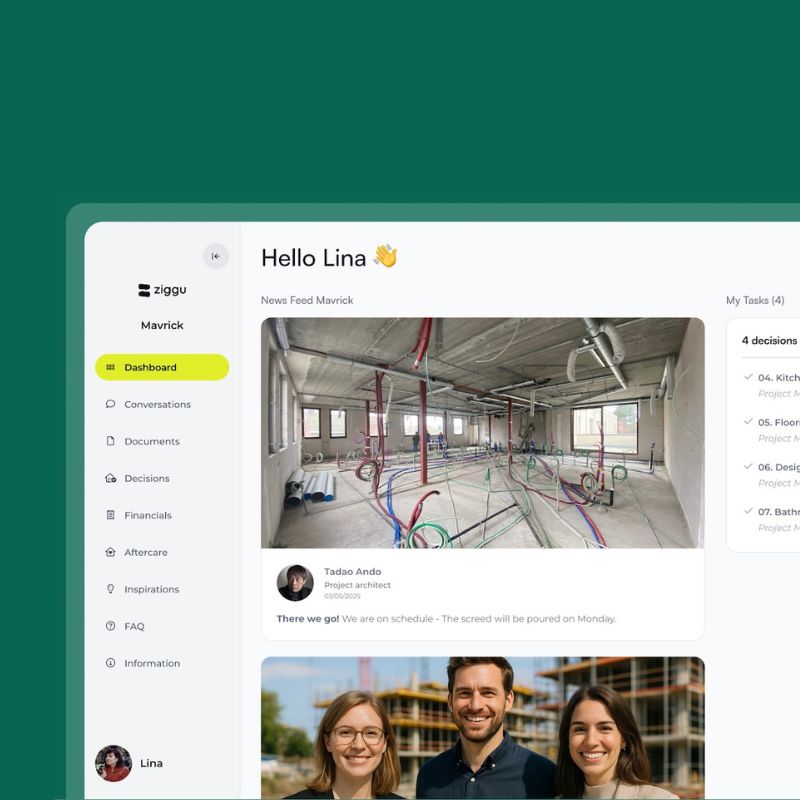
Ziggu offers a modern digital platform to manage the homebuyer's journey, making customer experiences their top priority. Property developers use the platform to work more efficiently and guide customers throughout the entire building process.
But Ziggu doesn't just look after developers' customers — they take care of their own as well.
This approach, called 'extreme customer centricity,' puts their customers' experiences at the center of everything Ziggu does. It's a philosophy where human needs drive technology decisions, not the other way around. In an industry where customer experience matters for residential developers more than ever, this human-first approach sets new standards for PropTech platforms.
The impact is measurable: by prioritizing genuine human connections and feedback-driven development, Ziggu has built stronger relationships with property developers across Belgium. This approach demonstrates that technology works best when it amplifies human capabilities than replacing human judgment.
Human Before Technology: The Core Philosophy
As a tech company, you might expect Ziggu's team to have unconditional love for technology. Nothing could be further from the truth.
Ziggu's CEO Yannick Bontinckx explains: "We love the possibilities and opportunities technology has to offer, of course. But to us, the human aspect will always be equally, if not more important. Technology should be at the service of humans, not the other way around. So we would never create a feature just because it's great technology; we only create what makes sense to the people using our platform."
Yannick sees how many tech companies fall into the trap of automation and endless processes — even trying to automate parts of their customer service.
"I get it", says Yannick. "It makes things easier. But I strongly believe it doesn't necessarily make things better for your customers. The human experience should come before anything else, and technology isn't always the way to do that. So from the beginning of Ziggu, we knew putting our customer first in a extreme way would be the way to go for us, even as a tech company."
Traditional Automation Approach
Ziggu's Human-First Approach
Features built for technical capability
Features built for genuine human needs
Automated customer service responses
Personal communication and transparency
Process efficiency prioritized
Customer experience prioritized
Technology drives decisions
Human feedback drives decisions
Why Most Tech Companies Get It Wrong
The automation trap catches many PropTech companies. They build features because they can, not because they should.
Ziggu takes the opposite approach. Every feature must serve a real human need first.
Feedback Is Serious Business
Extreme customer centricity starts with knowing your customer inside and out. How do you achieve this level of understanding?
"By listening, first and foremost", says the CEO. "We take feedback seriously. We discuss every opinion or idea given by customers with our team and often even include them on the roadmap. Our platform is made to make people's life easier, so of course, it's important to translate their feedback to our solution."
However, extreme customer centricity doesn't mean saying 'yes' to everything the customer asks.
"True", Yannick says. "Ziggu is a SaaS platform, meaning it's the same for all our customers. So we put the common interest of our customers first; we won't create a new feature that's only interesting for one person. But transparency is incredibly important here. When a customer asks us for a specific feature that we think isn't a good idea right now, we explain our reasoning. We'll also look for ways to help them out in a different way — by pointing out an opportunity to change something in the way they work or by using another feature more efficiently, for example."
Every customer suggestion follows a structured evaluation process:
Team discussion of the feedback's merit
Assessment of broader customer benefit
Transparent communication about decisions
This ensures the platform evolves based on genuine user needs, not isolated requests.
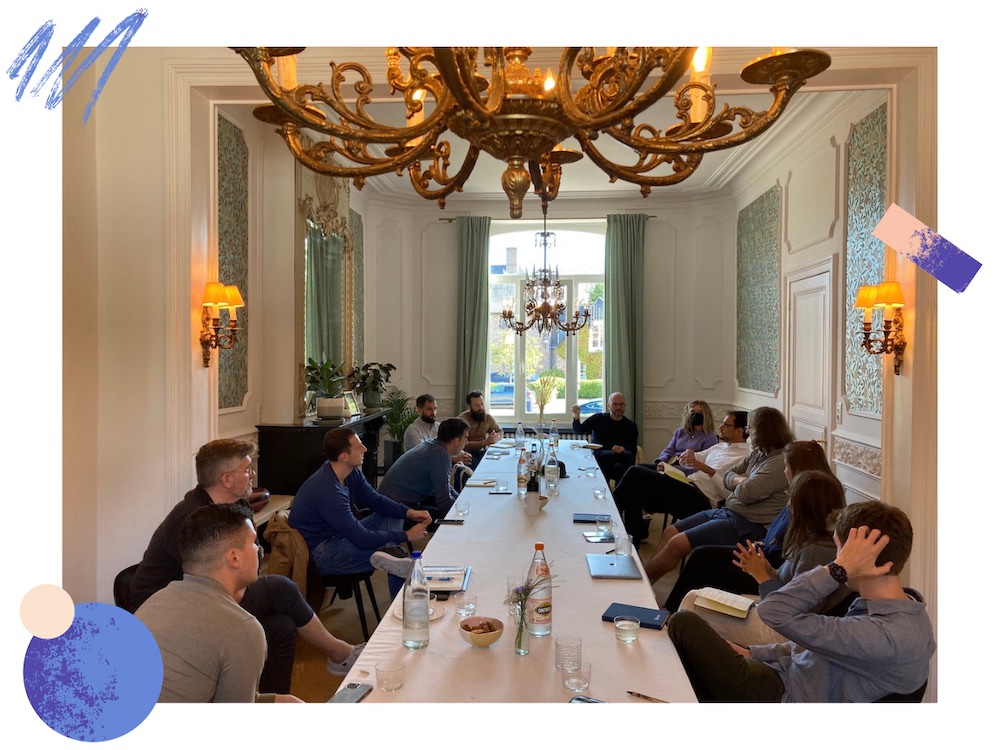
Ziggu's 2021 team event: brainstorm sessions around Extreme Customer Centricity
Little Moments of Happiness
Extreme customer centricity goes beyond product feedback and feature requests. It's about creating genuine human connections.
Spending the day at a customer's offices to better understand their way of working, sending out birthday and thank you cards, giving a 'bug hero' shirt to someone who reported a bug on the platform — it's the little things that make a difference, according to Yannick.
"Does giving out fun t-shirts matter all that much? To us: yes. It won't do much for our business — the customer won't all of a sudden build more apartment buildings just to put them on the Ziggu platform and please us", Yannick laughs. "But the person receiving the card or t-shirt will smile that day, and that is good enough. It doesn't always have to be about business. We're all human; we can all use those little moments of happiness, right?"
Concrete Ways Ziggu Puts Humans First
The human-first approach manifests in specific, measurable actions:
Office visits: Team members spend full days at customer offices to understand their workflows
Personal recognition: Birthday cards, thank you notes, and 'bug hero' shirts for helpful feedback
Transparent communication: Detailed explanations when saying no to feature requests
These aren't marketing gimmicks — they're genuine expressions of care that build lasting relationships. This philosophy extends to how customer portals function as the new website for property developers, creating personalized experiences that go far beyond traditional digital touchpoints.
Transforming PropTech Through Human-Centered Technology
This human-before-technology philosophy isn't just feel-good policy — it drives real business results. When customers feel heard and valued, they become advocates for the platform.
The approach has helped Ziggu build strong relationships with property developers across Belgium. Customers stick around not just because the technology works, but because they know real humans care about their success.
By prioritizing transparency over automation, personal touches over processes, and genuine care over corporate efficiency, Ziggu proves that extreme customer centricity can be a competitive advantage in the PropTech space.
As the property development industry becomes increasingly digital, the temptation to automate everything grows stronger. Ziggu's approach shows there's another way. Technology should amplify human capabilities, not replace human judgment. The most successful PropTech platforms will be those that use technology to create better human experiences, not eliminate them.
Extreme customer centricity isn't just about being nice — it's about building sustainable business relationships in an industry built on trust and long-term partnerships. When humans come before technology, everyone wins. This creates a foundation for lasting success in an industry where relationships matter as much as technology capabilities.
FAQ
What does extreme customer centricity mean at Ziggu?
Extreme customer centricity at Ziggu means putting human needs and experiences at the center of all technology decisions. than building features just because they're technically possible, every development must serve a genuine human need first.
How does Ziggu handle customer feedback?
Ziggu takes every customer suggestion seriously through a structured evaluation process. The team discusses each piece of feedback, assesses its broader benefit, and provides transparent communication about decisions, even when saying no to specific requests.
Why doesn't Ziggu automate their customer service?
While automation might make processes easier, Ziggu believes it doesn't necessarily make things better for customers. They prioritize personal communication and human connections over automated responses to maintain genuine relationships with their users.
What are some examples of Ziggu's human-first approach?
Ziggu demonstrates their human-first philosophy through office visits to understand customer workflows, sending birthday cards and thank you notes, and giving 'bug hero' shirts to customers who provide helpful feedback. These personal touches create genuine moments of happiness beyond business transactions.
How does this approach benefit Ziggu's business?
The human-centered approach helps Ziggu build stronger, lasting relationships with property developers across Belgium. When customers feel heard and valued, they become advocates for the platform, leading to better retention and stronger partnerships.
Can other PropTech companies adopt this philosophy?
Yes, other PropTech companies can adopt extreme customer centricity by prioritizing human needs over technical capabilities, implementing structured feedback processes, and maintaining transparent communication. The key is ensuring technology amplifies human capabilities than replacing human judgment.
What makes this different from standard customer service?
Extreme customer centricity goes beyond resolving issues or answering questions. It involves proactively creating positive experiences, spending time understanding customer workflows in person, and making decisions based on genuine human needs than business efficiency alone.
Written by Vincent Van Impe
Vincent is co-founder of Ziggu, the project management software for client work, where he leads sales and marketing. Ziggu gives project-based businesses - property developers, architects, creative agencies, manufacturers and more - one place to run long, milestone-driven projects with clients and partners in the loop: milestones, tasks, decisions and approvals, and project conversations in a single dossier, paired with a client portal. With a background in architecture, project management and SaaS, Vincent writes about client experience, project delivery, and the future of project-based collaboration.