Customer-centric property development isn't just about good intentions—it's about three fundamental shifts in how you handle conflicts, problems, and team empowerment. These strategic changes transform frustrated homebuyers into loyal brand ambassadors who drive your business growth through referrals and repeat sales.
(Framework inspired by Steven Van Belleghem)
Why Customer-Centric Property Development Matters More Than Ever
Talking to homebuilders and contractors on a daily basis, we see a growing focus on customer experience. Everyone starts to recognize the impact of building a trustworthy brand on both their bottom and top line.
Having strong brand ambassadors sets you apart from the competition.
But how do you know how customer-centric you actually are?
You could measure your Net Promoter Score (NPS) or link your reward system to customer satisfaction. But Steven Van Belleghem explains how three questions can define how customer-centric your organization is.
Time for a self-check!
Understanding why customer experience matters for residential developers forms the foundation of these strategic shifts. When you address customer needs proactively, you create competitive advantages that extend far beyond individual project completions.
Question 1: How Do You Handle Opposing Interests?
Let's be honest—as a builder, your interests aren't always aligned with your customer's. Especially during delivery and aftercare, you're looking for efficiency while your homebuyer demands perfection.
Here's the test: Do you keep quiet about small flaws, like a tiny scratch in the countertop? Or do you point out the issue to your customer yourself?
Customer-centric developers go the extra mile. They conduct preliminary deliveries with all stakeholders, ensuring everything reaches near-perfection so customers don't worry—or even see the effort you invested.
Traditional Approach vs Customer-Centric Approach
| Traditional Developer |
Customer-Centric Developer |
| Hopes customer doesn't notice minor issues |
Proactively identifies and fixes issues before delivery |
| Focuses on meeting minimum standards |
Aims for excellence that exceeds expectations |
| Views delivery as transaction completion |
Views delivery as relationship milestone |
Question 2: What's Your Mindset When Problems Occur?
"Let's fix it" versus "Whose fault is it and then fix it"—which describes your team's approach?
During unit delivery, if there's an issue, will you fix it immediately and figure out responsibility later? Or will you first search for the responsible party and then determine who fixes (and pays for) the problem?
This might seem like a small shift in mindset, but it creates tremendous impact on your customer's experience.
The Speed Factor in Customer Experience
Customer-centric residential developers prioritize resolution speed over blame assignment. They understand that homebuyers remember how quickly you solved their problem, not who caused it initially.
This approach builds trust because customers see you as their advocate than another party looking to avoid responsibility.
Question 3: How Empowered Is Your Team to Solve Problems?
When problems occur, does your team have enough mandate, tools, and knowledge to take action themselves? Or do they reply with "Let me check with management what's possible"?
Customer care managers bring the most value when they solve complex issues that meet both customer expectations and business goals. To succeed, they need empowerment to handle situations quickly without requesting manager support.
Tools That Enable Customer-Centric Property Development
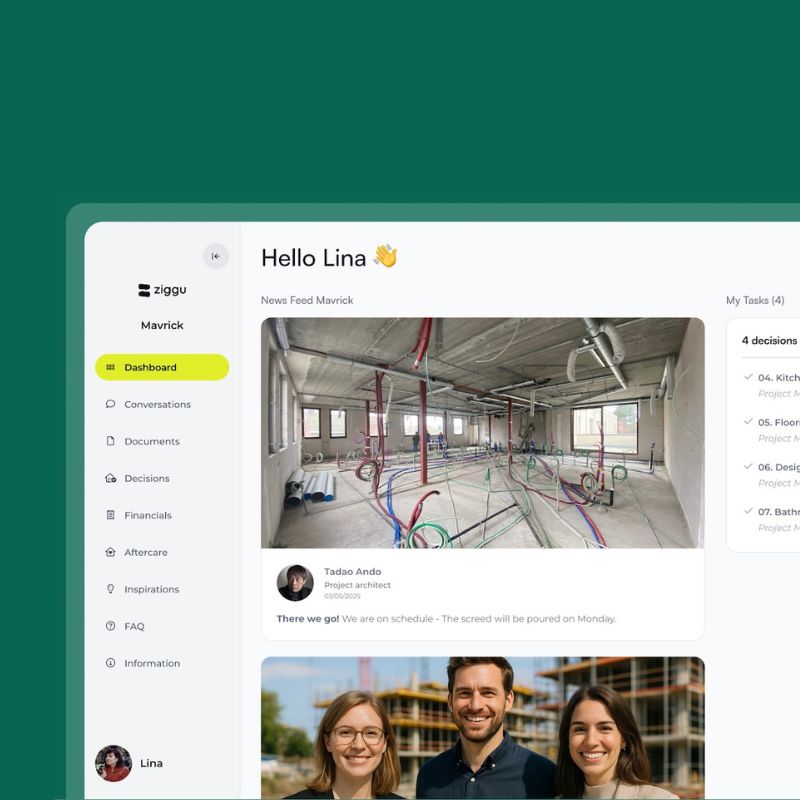
Empowered teams need the right technology stack. Modern client portals provide your customer care team with instant access to project history, communication threads, and decision-making tools.
Features like unified conversations, task management, and aftercare modules give your team everything needed to resolve issues without delays.
Implementation Strategies and Business Impact
Being customer-centric involves a human touch. You'll surprise homebuyers by adequately following up on concerns without tumbling into a web of internal processes.
Everyone needs empowerment and tools to do their job properly. Use technology to support daily activities and automate repetitive tasks.
The Technology Foundation
Customer-centric property developers use client portals to create transparency and simplify communication. When customers can access project updates, documents, and communicate directly with project teams, satisfaction increases naturally. Modern customer portals serve as the new website for engaged homebuyers who want real-time access to their project information.
Integration capabilities ensure your team has complete project context when addressing customer concerns, enabling faster and more accurate responses.
Measuring Your Customer-Centric Progress
Beyond NPS scores, track specific behavioral metrics that indicate customer-centric evolution:
- Average resolution time for customer issues
- Percentage of problems solved by front-line staff without escalation
- Customer communication frequency and response rates
- Referral rates from completed projects
The Business Impact
Customer-centric residential developers see measurable business benefits. Satisfied customers become brand ambassadors who drive organic growth through referrals—the most cost-effective acquisition channel in property development.
Strong customer relationships also reduce aftercare costs since proactive communication prevents many issues from escalating into expensive problems. When you implement efficient large scale project management strategies, customer satisfaction increases while operational costs decrease.
Getting Started with Customer-Centric Property Development
If there's anything you take away from Steven's message, keep this in mind: Being customer-centric requires systematic change, not just good intentions.
Start by evaluating your current processes against the three questions. Identify gaps where your team lacks empowerment or tools to serve customers effectively.
Free up time to focus on what's important—building relationships and solving problems. Technology should handle repetitive tasks while your team focuses on creating exceptional customer experiences that differentiate your developments in an increasingly competitive market.
Begin with small changes in how you handle opposing interests, then expand to problem-solving approaches and team empowerment. Each shift builds upon the previous one, creating a compound effect that transforms your customer relationships and business outcomes.
Frequently Asked Questions
What makes a property developer customer-centric?
Customer-centric property developers prioritize customer interests even when they conflict with short-term business goals. They proactively address issues before customers notice them and enable their teams to solve problems quickly without escalation.
How do I measure customer-centricity in my development company?
Track resolution times for customer issues, the percentage of problems solved by front-line staff, communication frequency, and referral rates. These metrics reveal how well your organization serves customers beyond basic satisfaction scores.
Should I fix problems first or determine responsibility first?
Customer-centric developers fix problems immediately and determine responsibility later. This approach prioritizes customer experience and builds trust by showing you're their advocate than another party avoiding responsibility.
What tools do teams need to be customer-centric?
Teams need client portals with project history, communication threads, and decision-making tools. Modern platforms should include unified conversations, task management, and aftercare modules to resolve issues without delays.
How does customer-centricity impact my bottom line?
Customer-centric approaches reduce aftercare costs and generate referrals—the most cost-effective acquisition channel in property development. Satisfied customers become brand ambassadors who drive organic growth through word-of-mouth marketing.
What's the biggest obstacle to becoming customer-centric?
The biggest obstacle is maintaining efficiency-focused mindsets instead of relationship-focused approaches. Many developers worry about costs but fail to see how proactive customer care reduces long-term expenses and increases revenue through referrals.
How long does it take to see results from customer-centric changes?
Initial improvements in customer satisfaction appear within weeks when you implement faster problem resolution and proactive communication. Long-term benefits like increased referrals and reduced aftercare costs become evident over 6-12 months.